The Rise of Personalized Medicine: Hope and Hazards in the Age of CRISPR
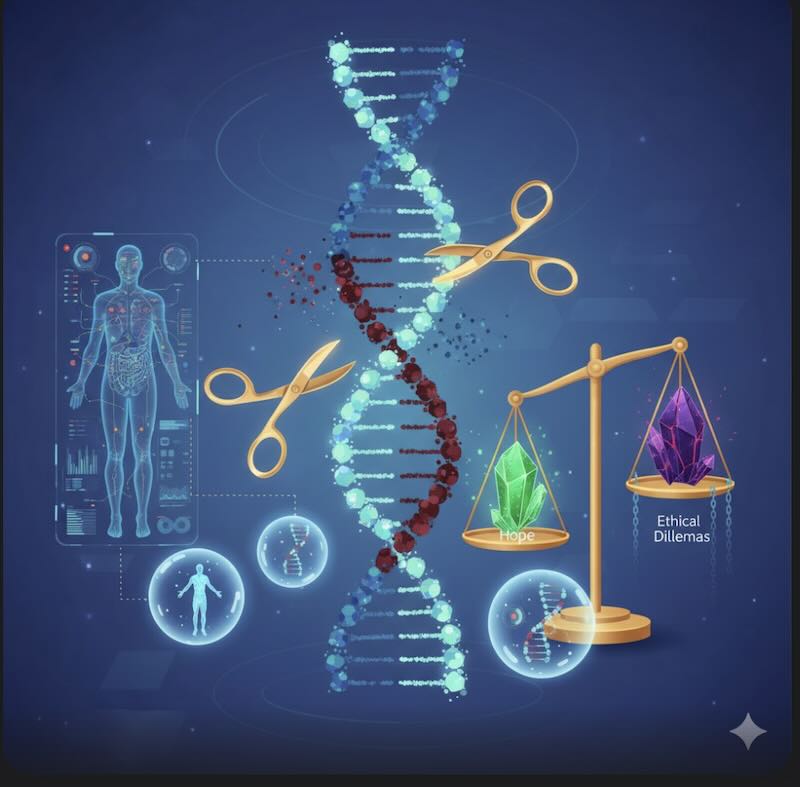
Gene Editing Moves from Lab Bench to Bedside
The pace of modern technology often feels relentless, but few developments possess the immediate, life-altering potential of CRISPR-Cas9. This technology, often described simply as "molecular scissors," allows scientists to edit DNA with unprecedented precision. For the first time in history, we stand on the cusp of not just treating, but potentially curing, thousands of diseases rooted in genetic error, from cystic fibrosis and sickle cell anemia to complex cancers. This is the ultimate promise of personalized medicine: rewriting the code of life to eliminate inherited suffering. This shift from population-wide drug therapies to custom genetic fixes represents a revolution in human health, extending lifespans and dramatically improving the quality of life for millions.
How CRISPR Works and Its Direct Impact on Human Lives
CRISPR (Clustered Regularly Interspaced Short Palindromic Repeats) is a system originally observed in bacterial immune responses. Scientists harnessed its mechanism, pairing the Cas9 enzyme (the "scissors") with a guide RNA molecule that directs it to a precise spot on the DNA helix. Once there, Cas9 makes a cut, allowing the cell’s natural repair mechanisms to either insert new, corrective DNA or deactivate a faulty gene. This elegant mechanism is already yielding phenomenal results. For example, recent clinical trials have shown success in editing patient’s own stem cells to cure sickle cell disease, offering a permanent fix to a debilitating condition. The direct impact on human lives is immediate: reducing pain, eliminating the need for lifelong medication, and radically changing prognoses for previously fatal diagnoses.
The Ethical Tightrope: Pitfalls and Dangers to Society
While the health benefits are undeniable, we must be clear-eyed about the profound societal and moral dangers. The precision of CRISPR raises immediate ethical questions, especially concerning germline editing—changes made to reproductive cells that would be passed down to future generations. This opens the door to the moral minefield of 'designer babies' and genetic enhancement for non-medical reasons, risking a biological split in humanity. On a societal level, the initial high cost of these hyper-personalized therapies poses a huge threat to health equity. If only the wealthy can afford genetic cures, we risk widening existing health disparities and creating a new class of genetic 'haves' and 'have-nots,' challenging the fundamental moral precept of equal access to healthcare.
A Clear-Eyed Look Towards the Future
The solution to these pitfalls is not to halt progress, but to embrace rigorous, thoughtful governance. We must establish international standards that prioritize somatic cell therapy (editing non-reproductive cells) while maintaining a strict moratorium on germline modifications until their long-term effects are fully understood and ethically debated. The future of personalized medicine is ultimately bright, offering a path to unprecedented human health and longevity. If we navigate this powerful technology with clear moral guidelines, ensuring broad and equitable access, CRISPR promises to be one of humanity's greatest achievements in alleviating suffering.