
IS IT THE END OF THE ROAD, FOR AUTHORS?
As AI begins to write with uncanny speed and skill, human authors face an existential crossroads. Discover why the "Humanity Premium" is our best defense against algorithmic prose. Learn how the role of the writer is evolving from word-generator to vision-curator in this awe-struck look at the future of books.

HOW FAR ARE WE FROM A TRUE, AI ROBOT?
Ever wonder why AI "brains" live in massive server farms while robots stay relatively simple? Discover the hurdles of power and miniaturization. Learn how "Edge AI" and neuromorphic chips are shrinking supercomputers to fit inside a humanoid skull. Find out when the dream of a truly autonomous AI companion might finally become reality.
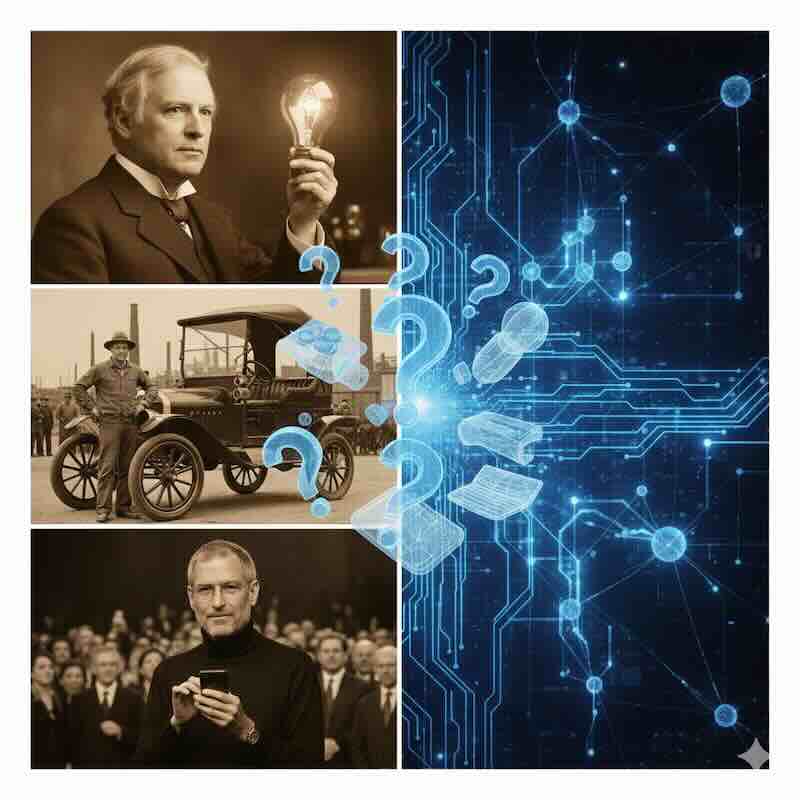
IN THE FUTURE, WILL AI DETERMINE WHAT YOU WANT AND NEED?
From Edison's lightbulb to Jobs' iPhone, humans have always identified needs and invented solutions. But with obvious innovations exhausted, could AI become the next great innovator? As machines analyze billions of data points to predict our desires, we face a fascinating question: Can algorithms dream up needs we don't even know we have, or will innovation always require that uniquely human spark?

WILL FUTURE TECH BREAK THE BANK? FROM WINCHESTER DRIVES TO BILLIONAIRE SANDBOXES
Storage used to cost $450 per megabyte; now it's virtually free. But as we move toward things like AI and gene editing, will the trend of affordability continue? We dive into the "Digital Divide," the hidden costs of 'free' tech, and whether the high-tech future will belong to the masses or become the playground of the wealthy.
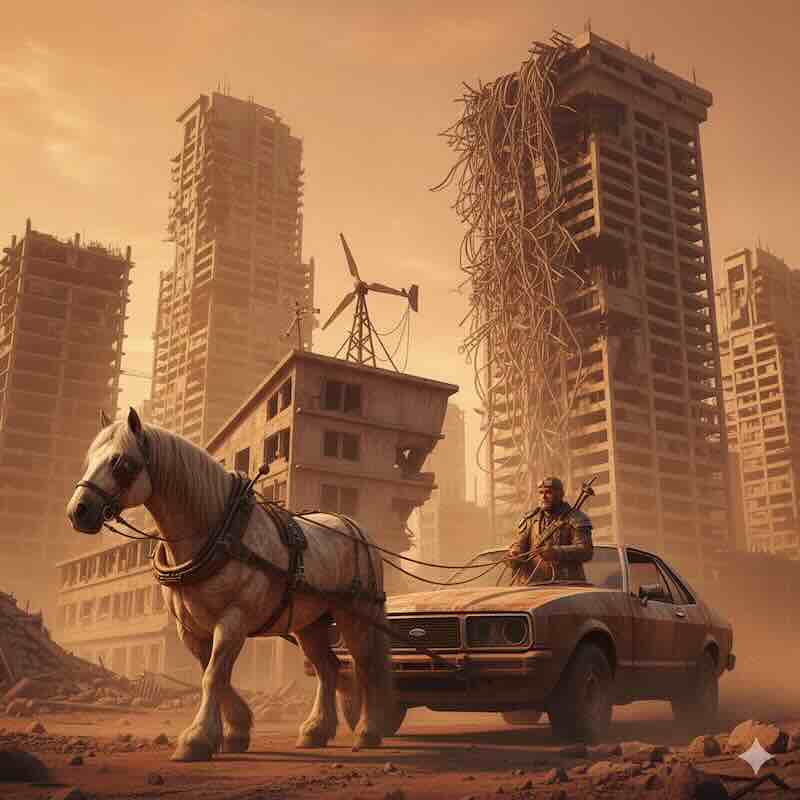
MAD MAX FUTURES: ARE WE LURCHING TOWARDS A LOW-TECH, HIGH MOHAWK WORLD?
The 80s loved to show us futures where tech crumbled and Mohawks ruled. But what if the collapse isn't a single bomb, but a slow, digital erosion? We explore the frightening possibility of a 'Soft Max' future—a world where complex infrastructure fails, forcing a technologically dependent society to revert to low-tech, localized living. We ask: is your complex smart home really more fragile than a simple fire pit?
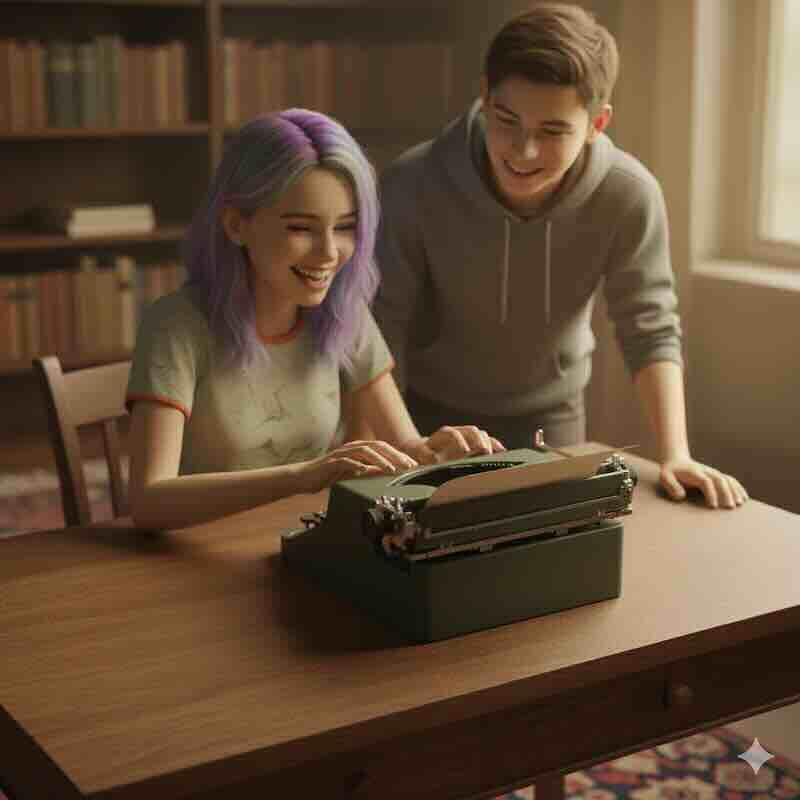
WHEN 'OLD TECH' BECOMES 'HIGH TOUCH': THE JOY OF FRICTION AND THE VINYL REVIVAL
The digital age demands speed and convenience, but humans crave friction and ritual. We explore why 'old tech'—from Victrolas and vinyl to film cameras and manual typewriters—is making a massive comeback. These vintage tools aren't just nostalgic; they offer a necessary, mindful process and a sense of physical permanence that is the perfect antidote to our pixelated, disposable world.

HIGH TECH VS. HIGH TOUCH IN A DIGITAL AGE: WHY WE NEED TO TOUCH THE GRASS
The classic 'High Tech/High Touch' concept from 1982 is now a survival manual. As AI and the metaverse flood our lives with screens, our craving for genuine human connection and physical reality is skyrocketing. Explore why the radical act of unplugging—literally touching the grass—is essential for mental health, social cohesion, and maintaining our humanity in the age of Pervasive Pixel Fatigue (PPF).
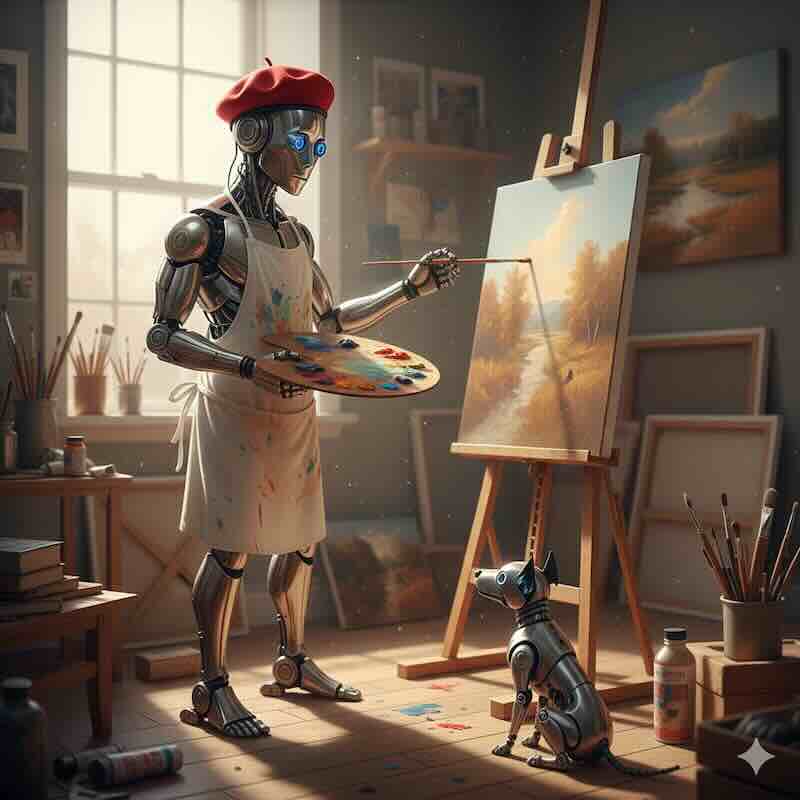
THE FUTURE OF ART: CAN ALGORITHMS DREAM? CAN COMPUTERS TRULY "CREATE?"
AI-generated art is projected to hit $1.3 billion by 2025, with tools creating museum-quality work in seconds. But can machines that have never felt heartbreak, pain, sorrow, joy? As art divorces itself from human experience, we face uncomfortable questions about creativity, authenticity, and whether pretty pictures generated by pattern-matching algorithms can ever truly be called art.
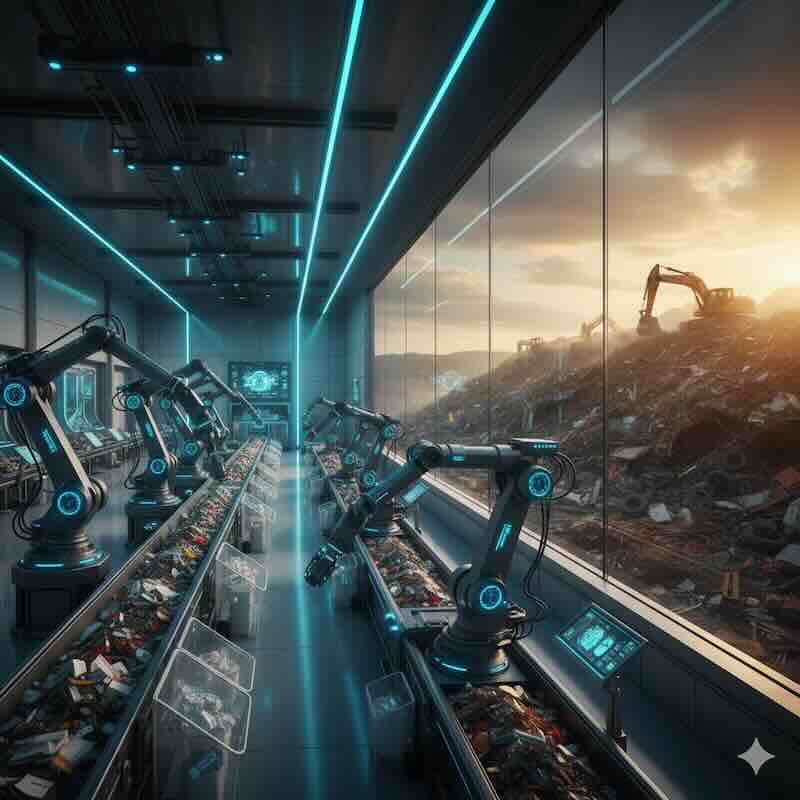
THE FUTURE OF RECYCLING: ROBOTS, LANDFILL MINING, AND THE ECONOMICS OF TRASH
AI robots that process 70 tons of waste per hour. Chemical recycling that breaks plastics down to molecules. Mining old landfills for buried treasure. Recycling technology is evolving fast—but when does the cost of being green outweigh the benefits? Explore the innovations reshaping waste management and the uncomfortable economic realities nobody talks about.

RECYCLING MIGHT BE IN VOGUE, BUT IT'S NOTHING NEW!
While we're all about recycling these days, the practice goes way back through time, from the recycling of pop bottles in the 1950s, to the rubber and metal drives during the world wars, and all the way back to the Bronze Age. Let's take a trip through time to see what led up to the current recycling craze.