The Floor That Pays You Back: Kinetic Energy and Immortal Surfaces
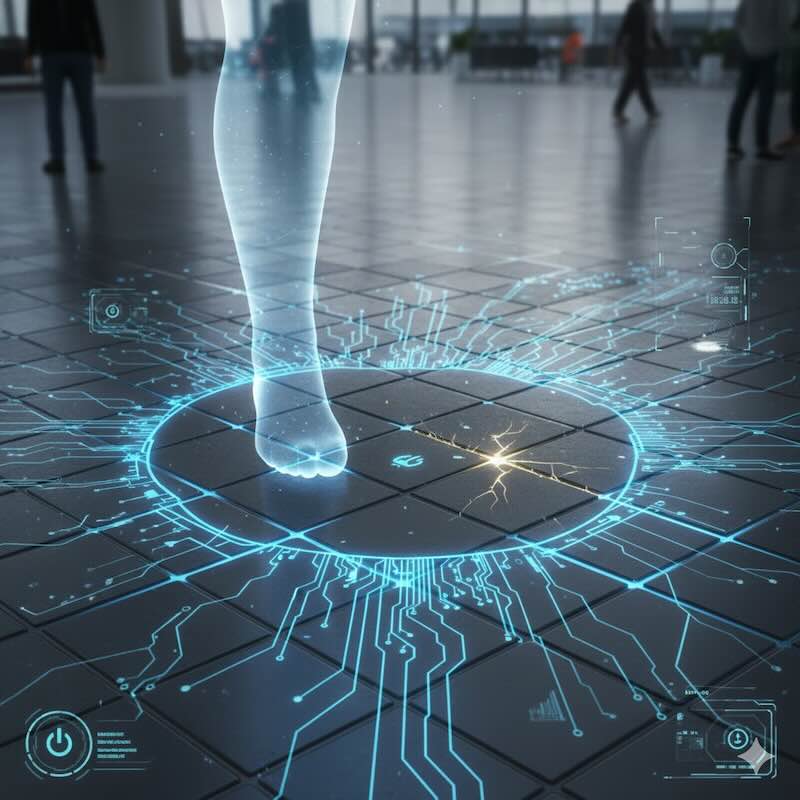
Harvesting the Human Footprint
In a world desperate for sustainable energy solutions, the simple act of walking is now being monetized. Kinetic flooring is transforming high-traffic areas—train stations, public squares, schools—into decentralized power generators. These innovative floor tiles convert the small vertical movement of each step into rotational energy, powering generators embedded within the modules. This movement is a vast, previously wasted resource. Just a little something extra about [Pavegen]: Companies developing this technology boast that a single tile can generate enough electricity from footsteps to power nearby devices, or even light up interactive displays.
The potential is immense. Kinetic tiles not only provide a new, clean energy source that doesn't rely on the sun or wind, but they also offer powerful data streams. The moment someone steps on a tile, it can transmit wireless data for crowd flow modeling, helping retailers and urban planners understand human movement. This dual function—generating power and gathering data—makes smart flooring a foundational element in truly smart cities.
The Immortal Surface: Self-Healing Floors
Beyond energy, a second revolution is taking place on the surface: self-healing flooring. Much like the self-healing concrete we discussed, these floors, often made with specialized polymers or coatings, have the capability to autonomously repair minor scratches, dents, and abrasions. This process can happen through various mechanisms, such as materials that react to light or heat, causing the molecular structure to re-associate and seal the damage. Before that, we had [traditional flooring], and a fun piece of trivia for you: The development of self-healing materials dramatically reduces the lifecycle cost of flooring and minimizes the environmental impact of material waste from replacements.
This innovation promises to extend the life of high-traffic flooring in hospitals, factories, and commercial spaces by decades, drastically cutting down on maintenance costs and operational downtime. Furthermore, these advanced materials are often being combined with antimicrobial surfaces and embedded sensors, creating environments that are cleaner, more durable, and actively communicating their condition to building management systems.
The Ethical and Ecological Costs
While the benefits are obvious—endless power and near-immortal durability—we must approach the widespread adoption of smart flooring with caution. The integration of sensors and data collection into every footfall raises significant privacy concerns. If floors are tracking every step for crowd modeling, what safeguards are in place to ensure this data isn't used for surveillance or unauthorized personal tracking? Something cool about [smart flooring]: These systems are powerful tools for tracking foot traffic, which is invaluable to retailers but requires clear ethical guidelines for public spaces.
Furthermore, the high-tech materials and complex embedded systems that make these floors "smart" often come with a high initial investment and a complex, specialized manufacturing process. As we rush toward longevity, we must ensure these materials can be cleanly and sustainably recycled at the end of their hundreds-of-years-long life. If they become technological waste nightmares, the long-term environmental cost could negate the benefits of their incredible durability. The future of the floor beneath our feet is bright, but we must ensure its foundation is built on both efficiency and ethics.