The Future of Self-Driving Cars: Are We Ready to Be Passengers?
The Tech Behind the Wheel: Why This Time It's Real
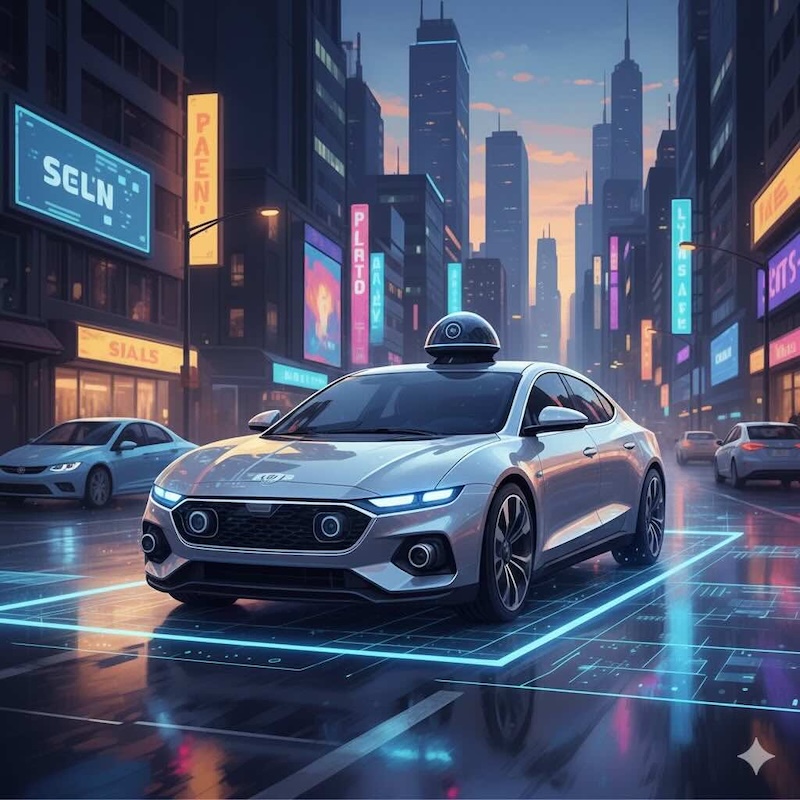
Remember that old sci-fi dream where your car just handles the commute while you nap, read a book, or maybe watch a silly video? Well, that dream is officially pulling up to the curb. Self-driving cars (or Autonomous Vehicles, if you’re fancy) are no longer just concepts; they are on the road right now, ferrying passengers in some major cities without a human driver to supervise. The future of mobility isn't just about getting from A to B; it's about what we do—or don't do—while we're getting there.
The technological leaps we’re seeing are wild. It’s a full-on arms race in Artificial Intelligence (AI) and sensing systems. Companies are now fielding cars equipped with sophisticated V2X (Vehicle-to-Everything) communication, allowing your car to chat with the stoplights and the cars around it. The newest chips, like those from NVIDIA, can process insane amounts of real-time data from cameras, radar, and LiDAR, essentially giving the car a perfect, 3D view of the world that never gets distracted or tired. This shift promises huge benefits: fewer accidents (since human error causes most crashes), reduced traffic congestion, and increased mobility for those who can't drive, like the elderly or people with disabilities. Plus, all that time you used to spend white-knuckling the wheel in traffic can now be spent working, relaxing, or finally learning that third language.
The Ethical Roadblocks and Unseen Dangers
But hold on a second before you put your feet up on the dashboard. This tech isn't just a shiny new toy; it’s a society shifter, and we need to put the brakes on our enthusiasm just long enough to look at the downsides. For starters, the transition period is messy. We’re in an awkward phase where human drivers and AI drivers coexist, and unfortunately, this is leading to new types of accidents as systems malfunction or humans fail to take back control quickly enough. The legal and ethical quagmires are huge: who is liable when an AI causes a crash? And how do you program a car to make a life-or-death decision?
Beyond the immediate safety concerns, the societal and environmental impacts are deeply worrisome. Autonomous Vehicles (AVs) are expensive, meaning they could initially be luxury items, widening the gap between the haves and have-nots when it comes to transportation access. And contrary to the belief that AVs will reduce pollution, some experts fear they might increase it. Why? Because if commuting becomes easier and more productive, people might choose to live even farther from work, increasing overall vehicle miles traveled (VMT). Even worse is the potential for "zombie cars"—empty AVs that circle the city constantly to avoid high parking fees, which would create congestion and pollution nightmares. Finally, let’s not forget the employment question: what happens to the millions of people who currently drive for a living, from taxi drivers to truckers, when the car does the work?
A Successful Future Requires Guardrails
The future of the self-driving car is undoubtedly coming, bringing with it a world of convenience and efficiency. But we must be sure to look beyond the slick marketing videos. We need policymakers and engineers to partner up now to tackle the ethical puzzles, curb the potential for urban sprawl and congestion, and ensure that this powerful technology doesn't widen societal gaps. A genuinely successful autonomous future isn't just about flawless code; it’s about a smooth, ethical, and equitable ride for everyone.