Dressed to Impress: The Lowdown on Smart Clothing
The Clothes Have a Brain
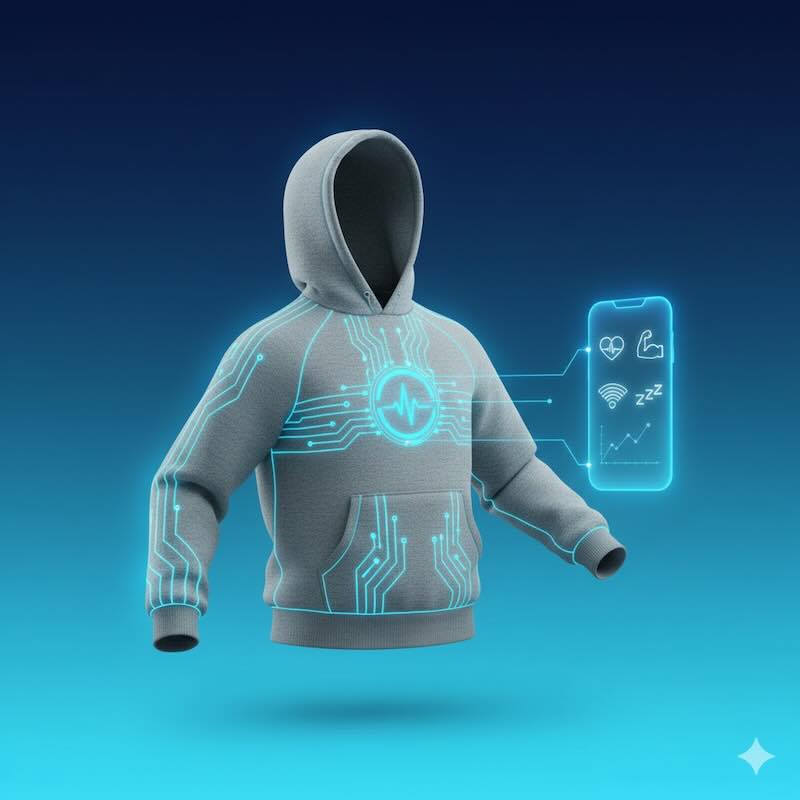
Remember when the coolest piece of tech you wore was maybe a light-up watch? Well, those days are long gone. Say hello to smart clothing—the next wave of wearable technology that's turning your closet into a high-tech lab. We're talking about shirts, socks, and even pajamas that do way more than just cover your body. They're genuinely e-textiles, or fabrics with flexible electronics, sensors, and sometimes even micro-processors woven right in. It's like your clothes are finally getting a brain!
How Does This Magic Fabric Work?
Think of it like tiny, flexible gadgets integrated into the threads. These aren't bulky bits of plastic; they're often conductive fibers or printed circuits that can monitor everything from your heart rate, body temperature, and muscle exertion to your posture and running form. This data is then wirelessly zapped, usually via Bluetooth or Wi-Fi, to your smartphone app.
The applications are seriously cool. Athletes can get real-time coaching feedback and injury prevention tips from their shirts and socks. In healthcare, smart garments can continuously monitor patients with chronic conditions, allowing for remote diagnostics and a better night’s sleep analysis. And it's not all serious—we're seeing self-heating jackets, fabric that senses magnetic fields for hands-free device control, and gear that adjusts its grip or ventilation based on the environment. The convergence of fashion and functionality is absolutely hitting a high note!
The Feel-Good Future of Your Wardrobe
The impact on our daily lives is all about optimization and personalization. Imagine clothing that automatically cools you down on a hot day or tracks your sleep quality with clinical precision. This technology promises to put powerful, personalized data right at your fingertips, leading to better training, earlier detection of health issues, and just a lot more comfort.
Recent developments are focusing on making the electronics practically invisible and, more importantly, washable and durable. Researchers are playing with self-healing textiles (yes, fabrics that repair their own tiny tears!) and working hard to develop better battery solutions and fabrics that harvest ambient energy from movement or solar power. The goal is to make smart clothing as normal and easy to care for as your favorite pair of jeans, as the market is projected to skyrocket from a few billion dollars to over twenty billion in the next decade.
A Peek Behind the Runway: What to Watch Out For
While the future looks bright and well-dressed, we need to take a cautious look at the potential down-sides. This is tech that lives on your body, so the number one concern is data privacy. These garments are constantly collecting highly personal biometric data—who owns that data? How is it stored? And is it secure from hackers or data brokers? Clear regulations and robust encryption are absolutely essential to ensure this tech enhances our lives without turning into a digital surveillance nightmare.
Another huge challenge is the environmental impact. Integrating electronics, sensors, and sometimes nanomaterials into textiles makes recycling these garments incredibly complex, adding to the growing problem of e-waste. Manufacturers need to prioritize modular designs and sustainable, bio-based materials from the very beginning to keep this cool tech from becoming a catastrophic one for the planet. The high initial price point and the need for longer-lasting, more reliable electronics are also hurdles that need to be overcome before smart clothing truly becomes a mass-market staple.
Smart clothing is an incredibly exciting development that’s pushing the boundaries of what fabric can do. It promises a future where your clothes are active participants in your well-being, but as with all new tech, we must proceed with an intelligent awareness of the ethical and environmental complexities involved.