The Phone That Knows You: Future Tech in Your Palm
The AI Co-Pilot in Your Pocket
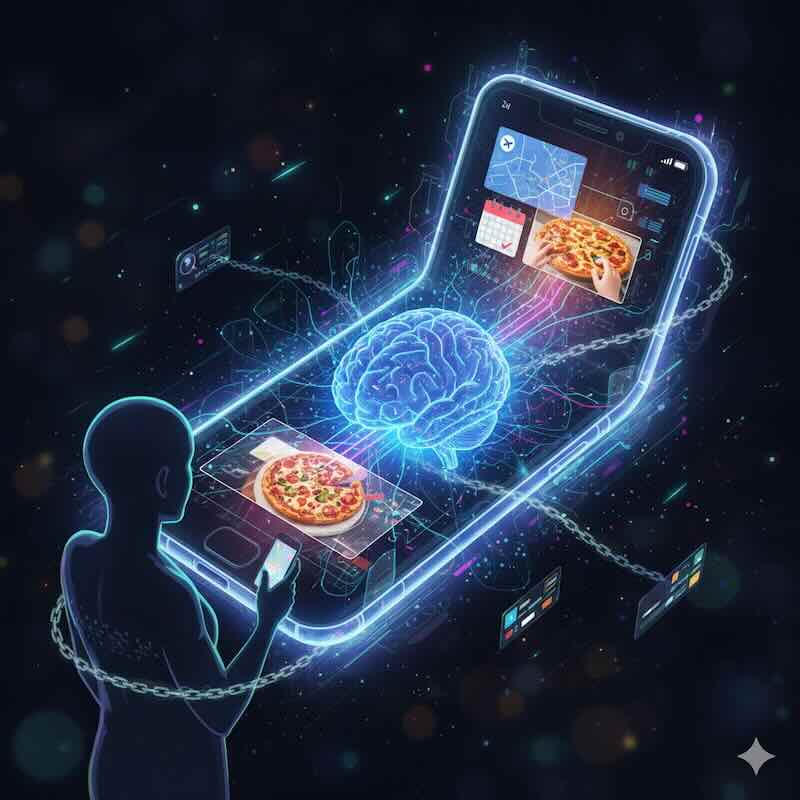
Remember when your smartphone was just for checking email and posting blurry vacation photos? Cute! The phones hitting the market now, and especially the ones just around the corner, are basically tiny geniuses ready to run your life. The biggest seismic shift isn't a faster chip, it's Artificial Intelligence baked right into the phone's DNA. We're talking about Agentic AI, where your phone doesn't just answer questions, it takes action. Imagine telling your phone, "Plan my trip to Chicago next month," and it automatically books the flights, sets a reminder to pack a coat, and finds highly-rated deep-dish pizza joints, all without you lifting a finger. This is possible because the new generation of chips, like the Snapdragon 8 Gen 5, are optimized for "on-device intelligence," meaning all that heavy thinking happens locally and instantly, not by pinging a cloud server 3,000 miles away. It's wildly efficient, but maybe a little spooky, right?
Bending the Rules with Flexible Screens
Foldables used to be a niche, fragile luxury, but they are rapidly becoming the norm for premium devices. Thanks to manufacturers perfecting their hinge mechanisms and using ultra-thin cover glass, the screens are getting tougher and the infamous crease is becoming almost invisible. We're seeing everything from simple fold-in-half phones to more ambitious tri-fold designs from major players like Samsung and even Apple. The whole point is to give you a massive tablet screen for gaming, editing, or multitasking, and then shrink it down to a pocketable device for the commute. Beyond folding, look out for rollable displays—screens that literally roll up into the phone body. If they nail the durability and power efficiency, this could free designers from the tyranny of the rectangle forever. Soon, your phone might unroll like a futuristic parchment when you need a cinema-sized screen for YouTube.
The Always-On, Always-Watching Trap
Now, let's tap the brakes a bit on the optimism. These incredible advances come with some serious strings attached. When you have a phone that has "agentic" power—the ability to act on your behalf, make reservations, or manage your calendar—it means it is consuming a vast, intimate amount of data about your daily habits. The risk here isn't just a marketing company knowing what socks you wear; it's a future where your personal AI assistant becomes so deeply integrated into your decisions that you lose the ability to think independently. Furthermore, the constant connection and the addictive nature of these increasingly powerful devices are already having well-documented negative effects on mental health, especially for young people. A few major studies point out that getting a smartphone too early is linked to higher rates of anxiety and detachment later in life. We need to be acutely aware of the lines we're crossing with device integration, ensuring we retain control over the technology, and it doesn't quietly begin controlling us.