Your AI Travel Agent: The Future of Personalized Journeys
The End of Generic Itineraries: AI Knows Best
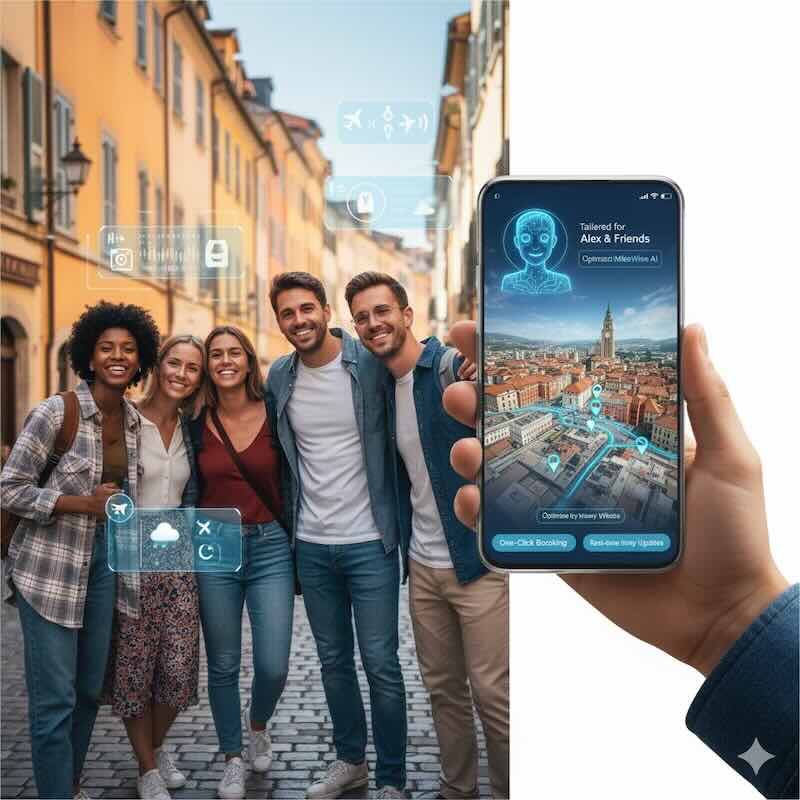
Remember sifting through countless travel blogs, review sites, and booking platforms, trying to stitch together the "perfect" trip? Those days are rapidly becoming a relic of the past. The next generation of travel planning is powered by sophisticated Artificial Intelligence that acts as your hyper-personalized travel agent. This isn't just about suggesting hotels based on price; it's about an AI that understands your deep-seated preferences, learned from your past trips, online behavior, and even your social media interactions. Do you prefer bustling markets or quiet nature trails? Michelin-star dining or authentic street food? An AI will craft an itinerary that feels tailor-made for you, suggesting hidden gems, optimizing travel times, and even predicting what you'll enjoy before you even know it yourself. The result? A truly bespoke journey, free from the compromises of one-size-fits-all packages.
Predictive Travel and Seamless Booking
Beyond crafting the perfect route, future AI travel agents will leverage predictive analytics to anticipate your needs and offer proactive solutions. Imagine your AI noticing a flight deal to a city you've often searched for and sending you a curated itinerary, ready for instant booking, weeks before you even considered planning a trip. Or perhaps it identifies potential travel disruptions – a looming storm, a local strike – and automatically suggests alternative routes or accommodations, rebooking everything with your approval. The entire booking process, from flights and hotels to restaurant reservations and activity tickets, will become a seamless, one-click experience. Wearable technology and smart devices will further integrate, providing real-time updates, navigation, and concierge services directly to you as you travel, making lost reservations or missed connections a thing of the past.
Ethical Considerations and the Human Touch
While the efficiency and personalization offered by AI are undeniable, the rise of the algorithmic travel agent also brings important considerations. How much data are we comfortable sharing for the sake of convenience? Will these systems create "filter bubbles," limiting our exposure to new experiences in favor of reinforcing known preferences? Maintaining a balance between algorithmic suggestions and the serendipity of discovery will be key. Furthermore, while AI excels at optimization, the human touch in travel planning – the expert advice, the cultural insights, the ability to adapt to truly unpredictable circumstances – will likely remain invaluable for complex or highly nuanced trips.
The future isn't necessarily about replacing human agents entirely, but rather empowering them with advanced AI tools to offer an even higher level of service and personalization, ensuring that travel remains an enriching and deeply human experience.