The Needle Drops Again: Why Vinyl is the High-Tech Format of the Future
The Tech Angle: Analog Purity in a Digital World
In a world dominated by instant, compressed music streaming, one antique technology has made a comeback that defies all logic: the vinyl record. It’s not just nostalgia driving this trend; there are surprising technical reasons why modern listeners—many of whom grew up on MP3s—are spending serious money on turntables and bulky LPs.
The core of the argument is analog versus digital. Digital music, even high-quality streaming, requires sampling and compression, which can lose subtle nuances and dynamic range. A vinyl record, however, stores sound as a physical wave, an analog representation of the original sound. This results in a warmer, more detailed listening experience that many audiophiles call "pure." While the differences can be subtle, for many, the richness of the sound on vinyl is simply superior.
There's also the issue of digital compression fatigue. Modern digital mastering often compresses the dynamic range of music, making everything uniformly loud (a phenomenon known as the "loudness war"). Vinyl masters, due to the physical limitations of the medium, cannot be compressed this aggressively. This restraint often results in recordings that preserve the original dynamics, delivering softer parts that are truly soft and loud parts that are truly loud, which is the primary reason vinyl is perceived to have a greater dynamic range.
The Astonishing Stats of the Spin
The resurgence of vinyl isn't a niche hobby; it’s a full-blown market phenomenon. The numbers are staggering:
- The Great Switch: The Recording Industry Association of America (RIAA) has reported that since 2020, revenue from vinyl records has consistently outpaced revenue from CDs. In fact, vinyl has surpassed the revenue of CDs for the first time since 1987.
- Double-Digit Growth: For over fifteen years, the format has posted year-over-year double-digit sales growth. In the most recent years, annual revenue from vinyl has exceeded $1.2 billion in the U.S. alone, making it a critical component of the physical music market.
- The Preferred Format: Today's most popular artists, from Taylor Swift to Billie Eilish, consistently release their new albums on vinyl, recognizing it as the preferred physical format for collectors and serious music fans.
The Ritual of Focused Listening
Beyond the tech specs, the return to vinyl is driven by a reaction against the modern digital experience: distraction. Streaming music is often background noise, shuffled endlessly while texting, working, or scrolling. Vinyl listening, by contrast, is a ritual.
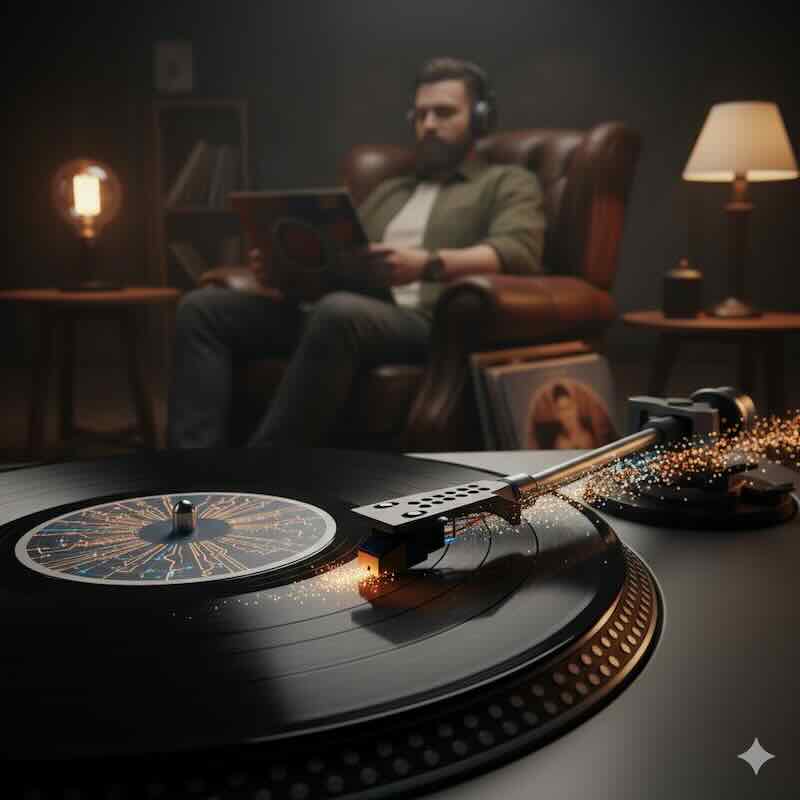
It demands presence: You must physically place the record on the turntable, clean it, and carefully drop the needle. When the side is finished, you have to get up, flip the record, and repeat. This intentional process forces the listener to be present and focus solely on the music, elevating the experience from casual listening to an immersive, engaged event. For those weary of digital noise and screen fatigue, vinyl offers a compelling form of digital detox disguised as music consumption.
The comeback of the record player isn't a fluke. It's a calculated choice by consumers seeking superior sound quality, greater dynamic range, and a physical ritual that restores focus and value to music consumption. The technology may be decades old, but its relevance in our hyper-digital age has never been higher.
Enjoying the Warmth and Nostalgia of Vinyl
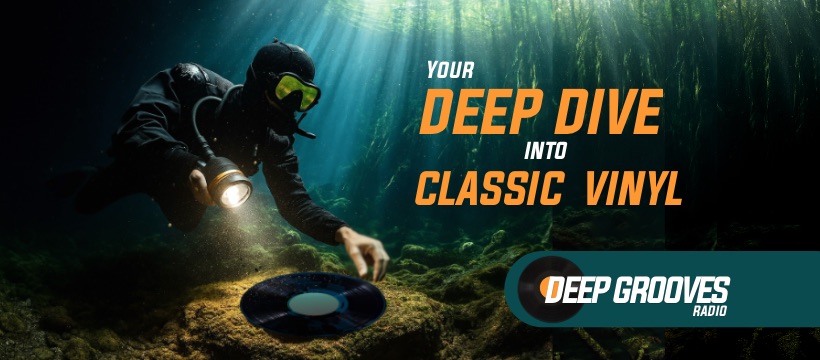
If you don't have a turntable, but want to experience the warmth and nostalgia of vinyl, tune in the stream, Deep Grooves Radio, which broadcasts music that has all been taken straight off vinyl, and preserves the broader dynamic range and purity of the vinyl experience.